



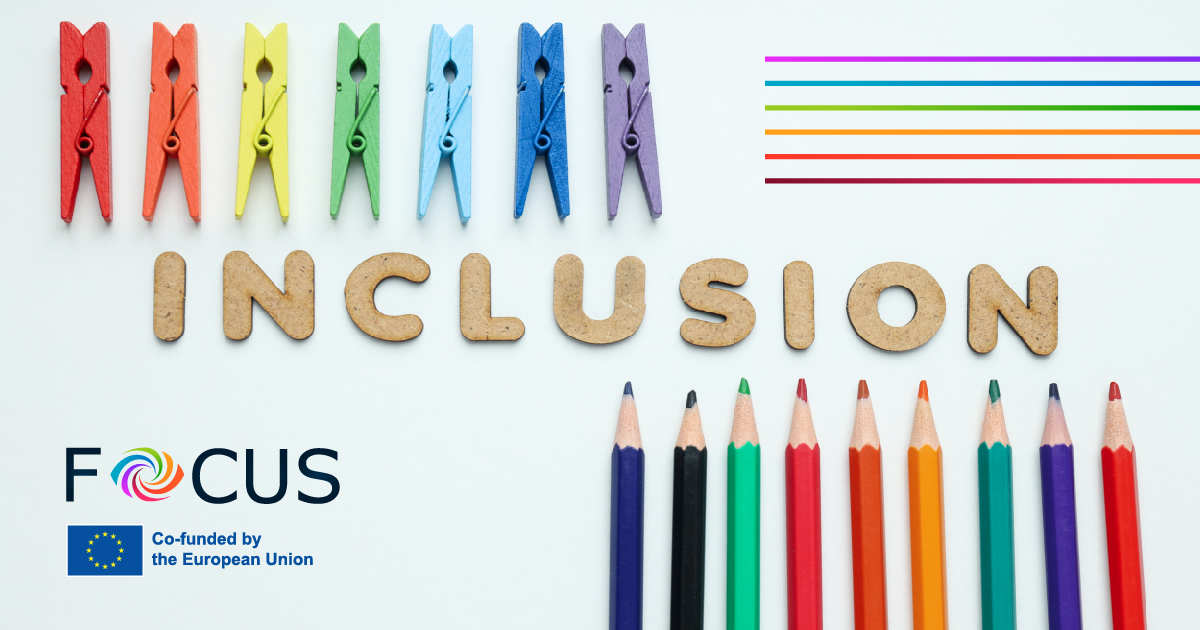
Today, neuroscience, advanced pedagogy, and educational policies converge on a fundamental principle: equality is not about treating everyone the same, but about offering each student what they need to learn. This is the core of the Diversity, Equity, and Inclusion (DEI) policy—a framework adopted by modern educational systems.
Stigma is generated in the margins and in everyday details. It exists not only in explicit labels but in unconscious gestures that contradict DEI:
- Separating the pupil who reads slowly.
- Preventing them from writing on the whiteboard “so they don’t feel embarrassed.”
- Only congratulating those who are fast and correct.
These practices weaken the pupil’s self-concept, causing them to perceive their way of learning as a failure. Conversely, when difference is understood and supported, motivation and self-esteem are rebuilt.
Equity
Beyond an abstract concept or an administrative requirement; it has direct consequences in the classroom:
1. Reasonable Adjustments and Cognitive Accessibility
Equity means aligning requirements with the way each child processes information.
Visual aids, flexible timings, or the use of accessible ICT are not privileges; they are necessary conditions to guarantee a real equality of opportunity.
2. High and Flexible Expectations
The teacher’s expectation is an emotional bridge that defines what the child believes they can achieve. A student grows or shrinks within that perspective.
3. Full and Safe Participation
Inclusion is not forcing everyone to do the same thing in the same way, but ensuring that everyone can participate without fear of making mistakes or experiencing anxiety. There are multiple ways to demonstrate comprehension or solve a problem.
Inclusion as a Structural Framework
DEI is not the individual responsibility of the teacher, but a whole-school project: it requires flexible organisation of support, collaboration between tutors and specialists, Universal Design for Learning (UDL), and a school culture that values diversity as a strength.